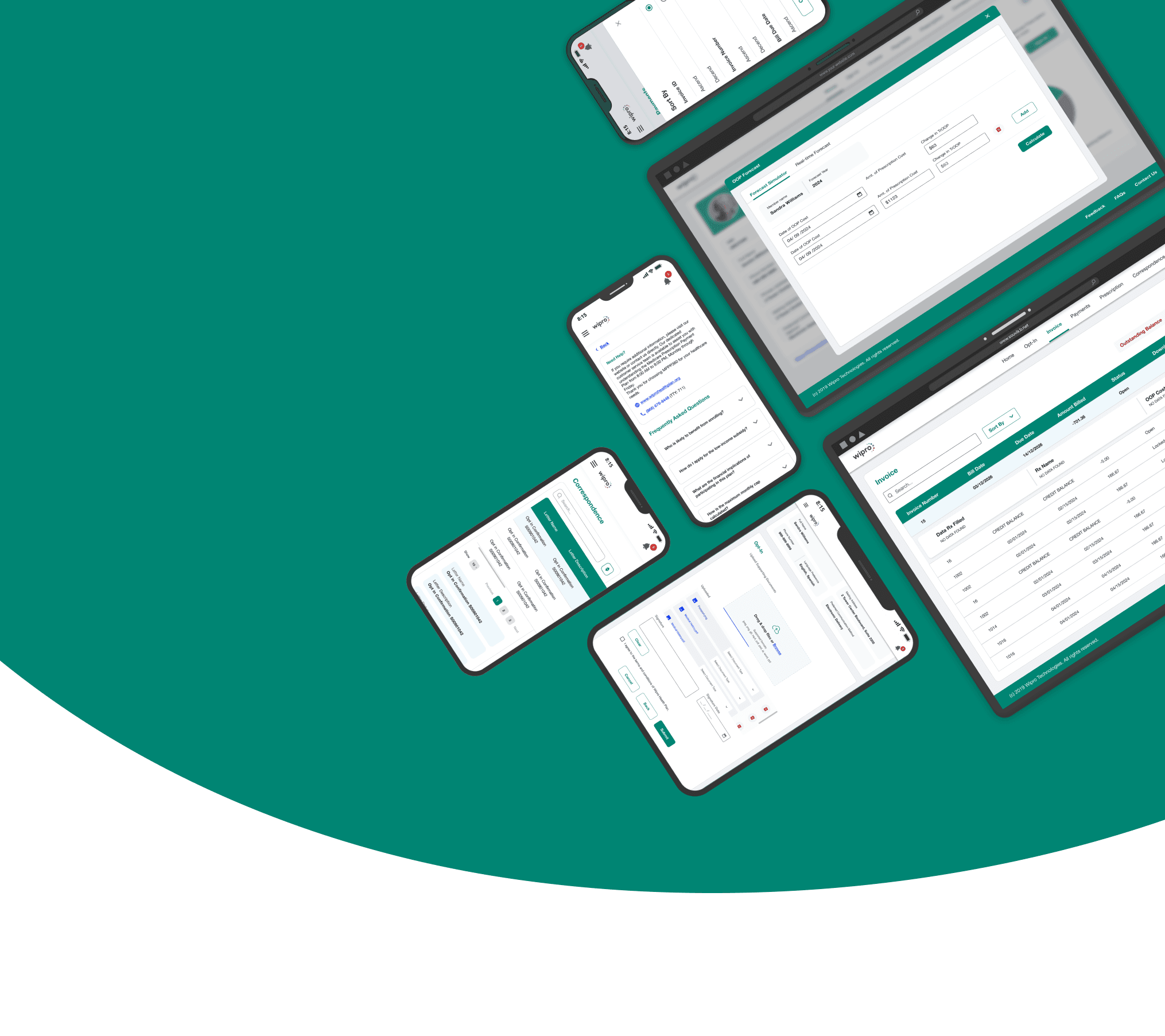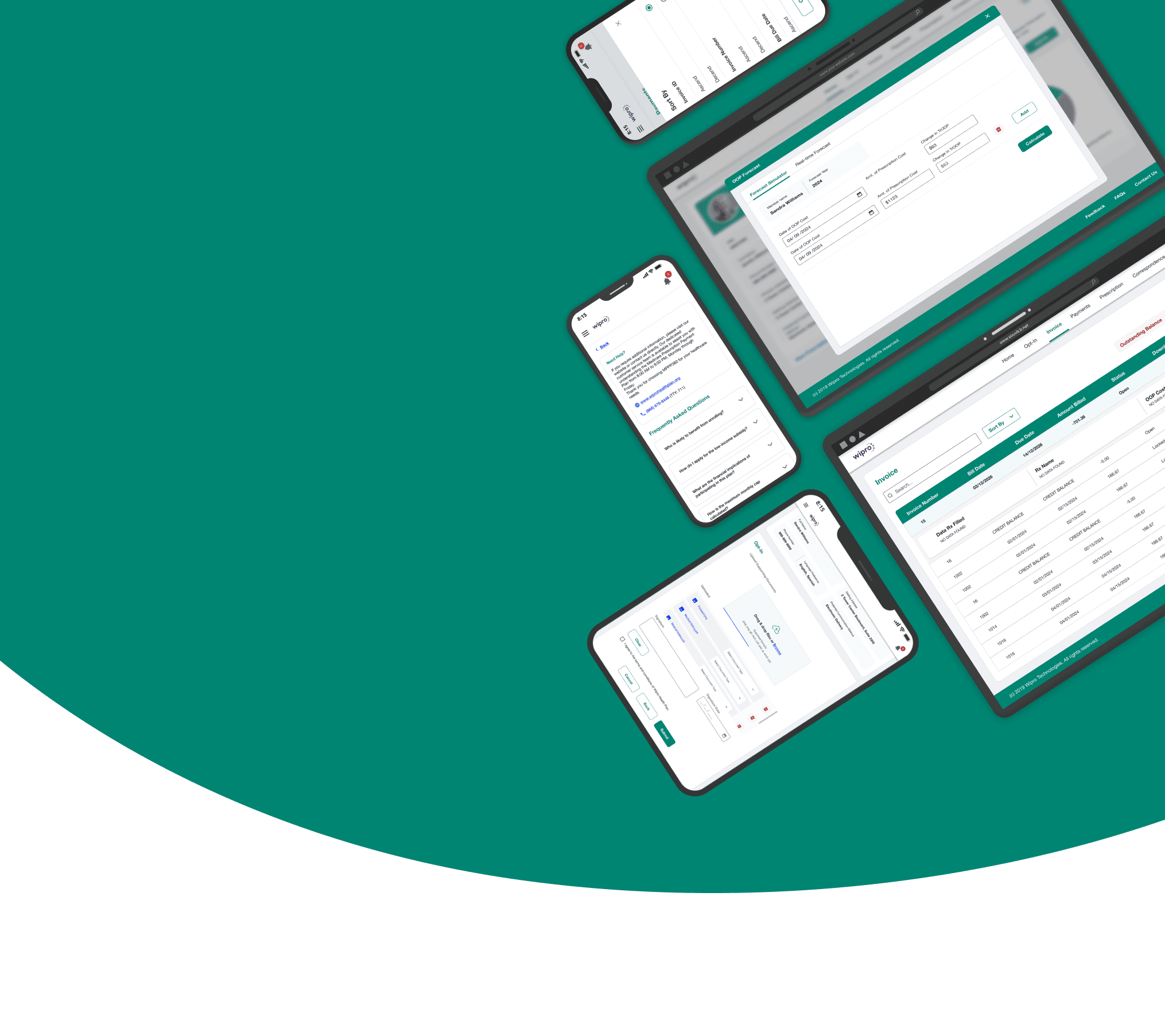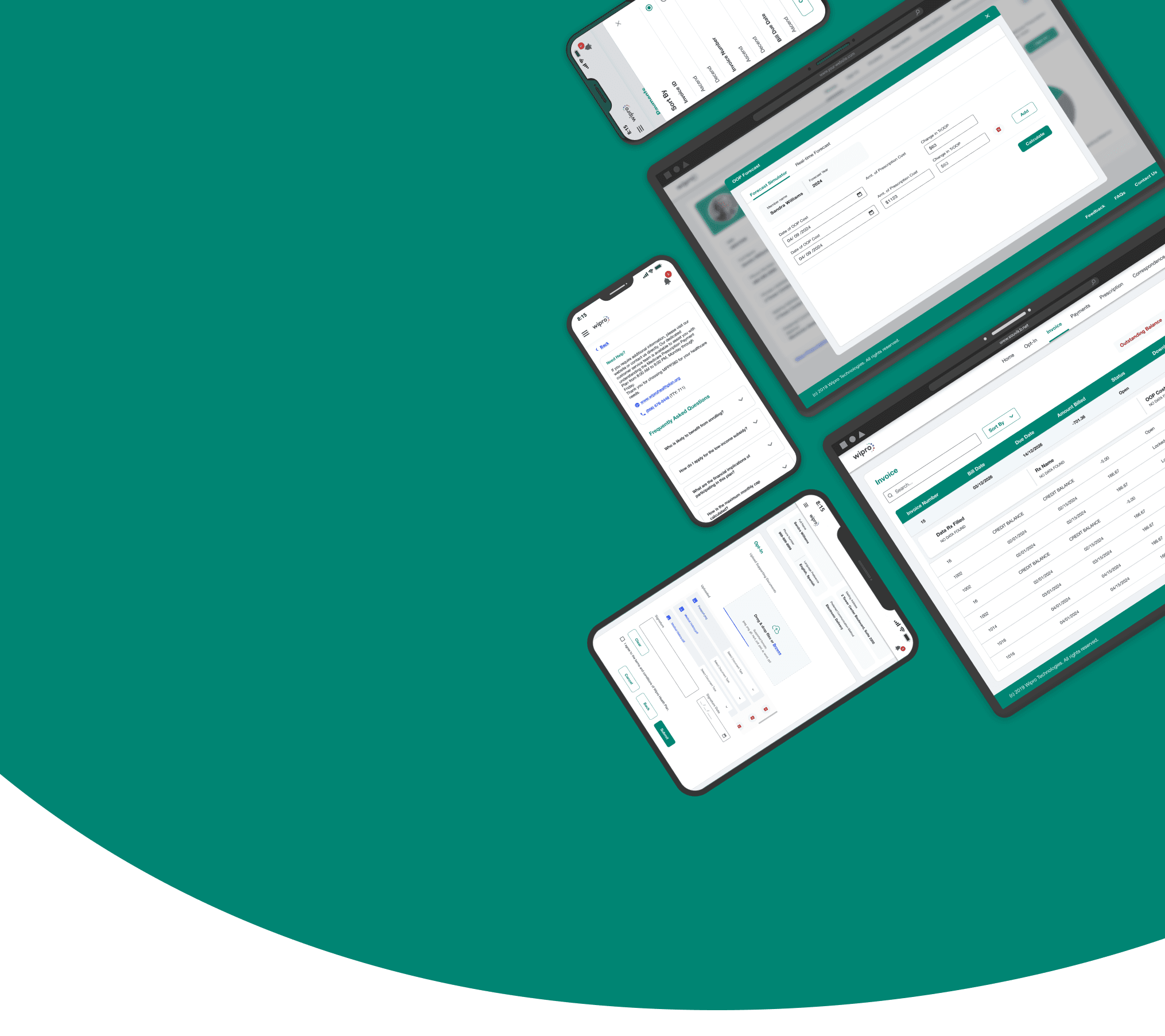
Crafting an Inclusive Digital Experience
Access Now
Client
Wipro (Internal Product)
Duration
6 months
Industry
Healthcare Insurance
Scope of Work
Accessibility Design
Design System
User Acceptance Testing
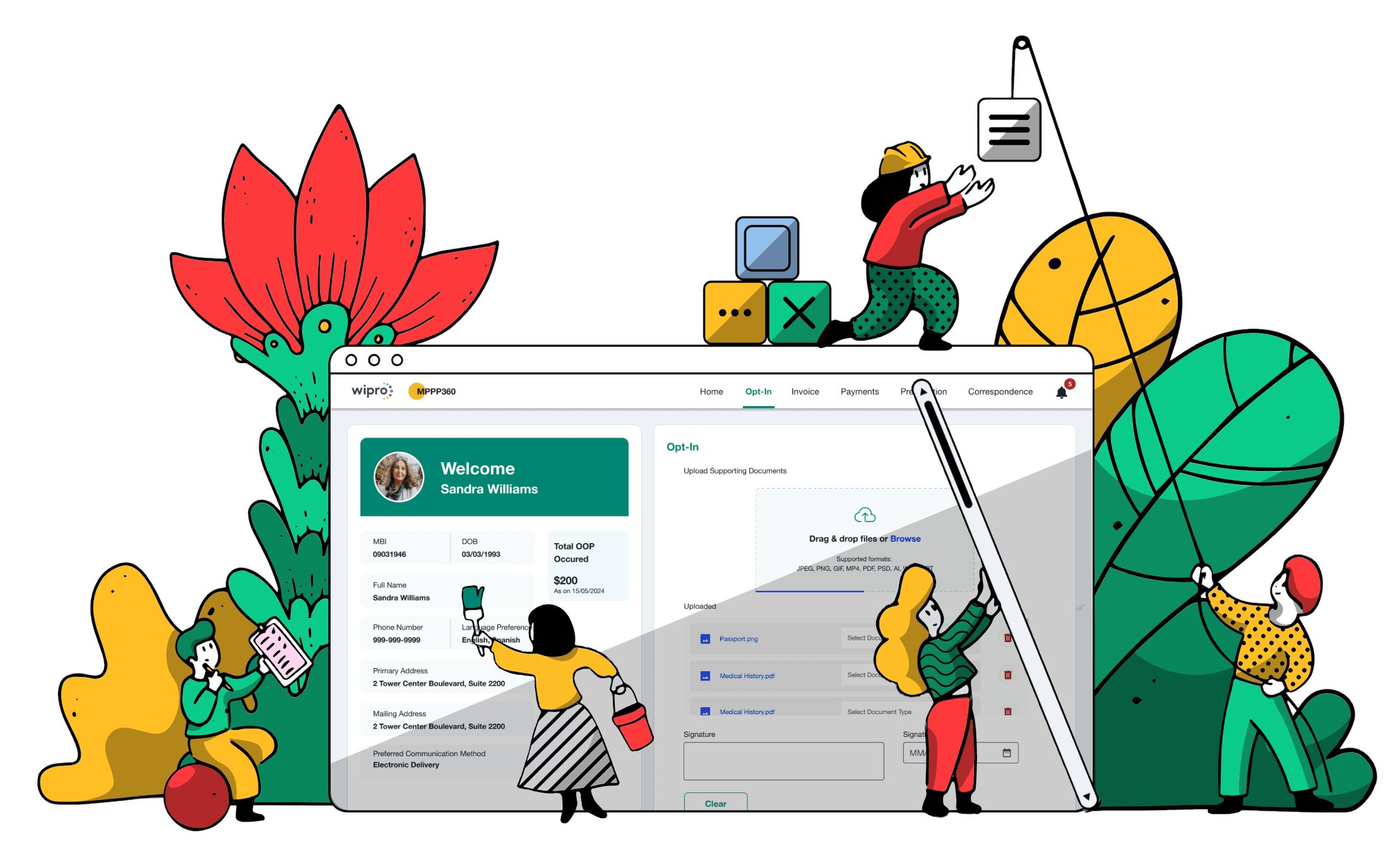
Balancing Inclusive Design and Visual Appeal.
This medical product was intended for widespread use by individuals with disabilities. In every decision, function led form. I prioritized usability and ADA compliance over aesthetics, ensuring it worked seamlessly with assistive technologies.


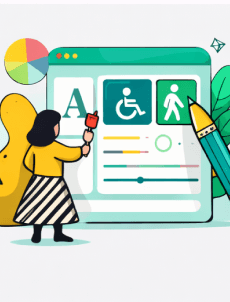
01 · MAKING COLOR ACCESSIBLE AND READABLE
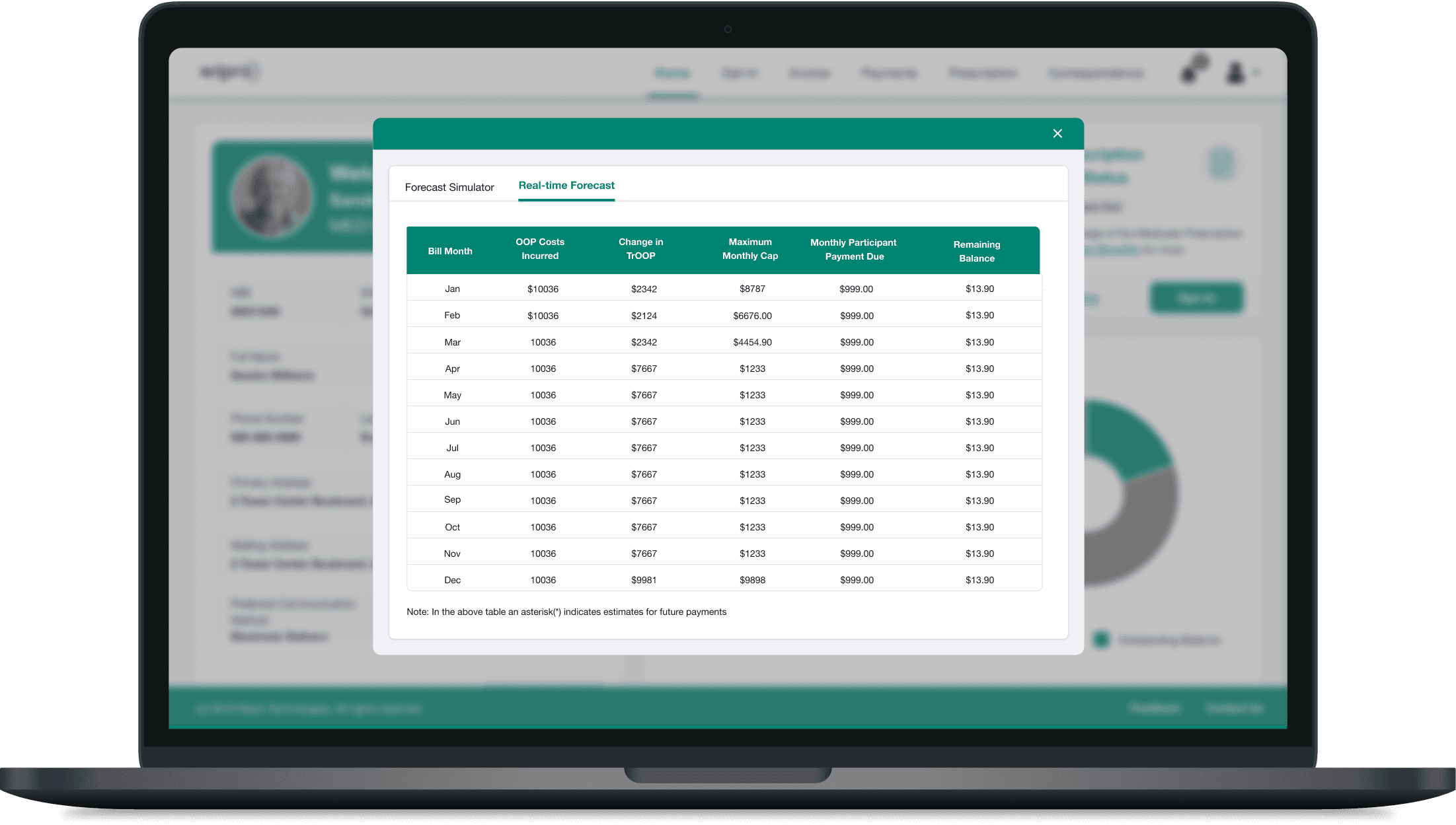
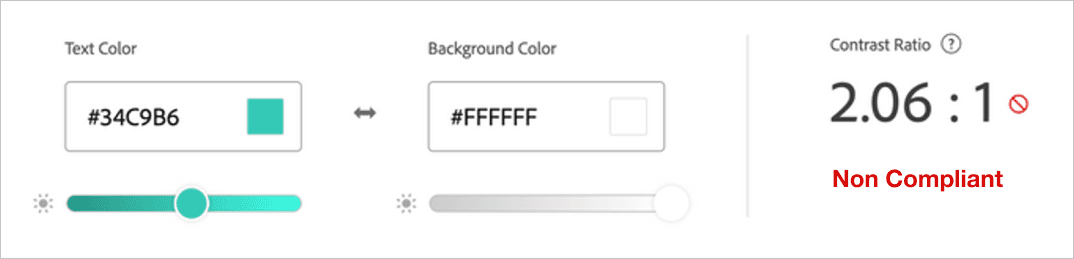
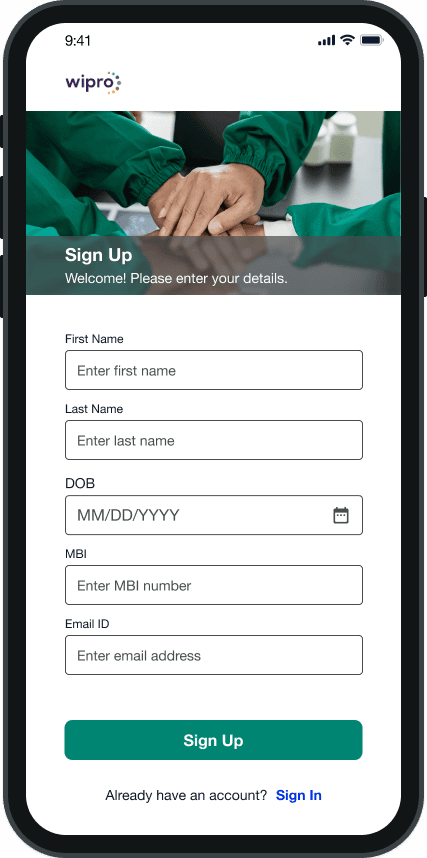
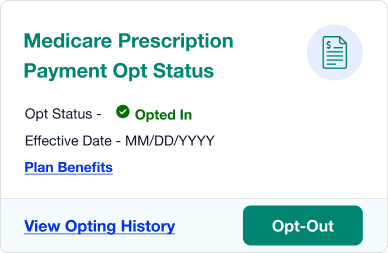
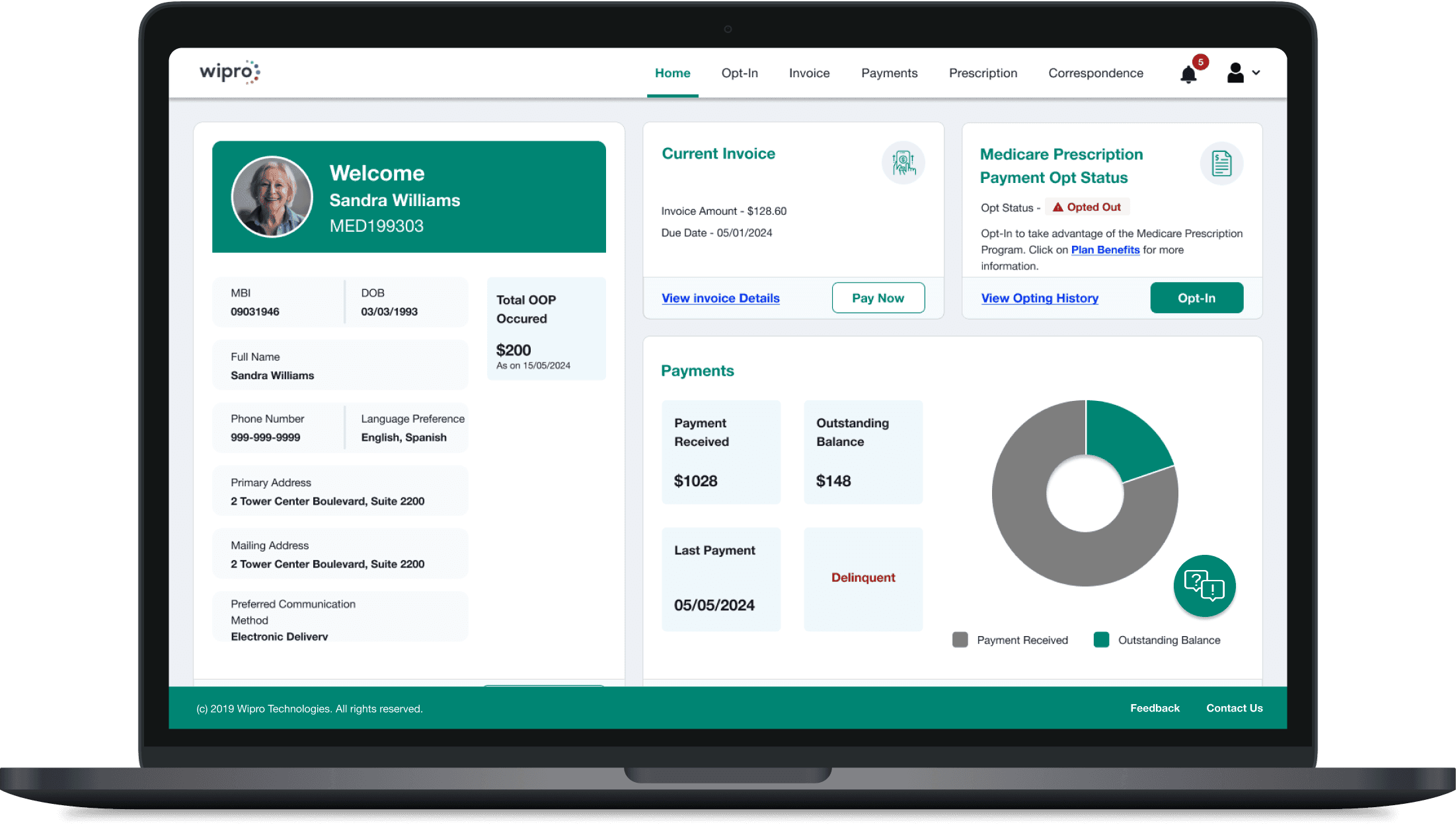
Through direct interaction with users who rely on high-contrast settings, I gained valuable insight into their visual needs. These learnings informed the selection of color combinations that meet WCAG standards, significantly improving readability, clarity, and overall usability across the product.
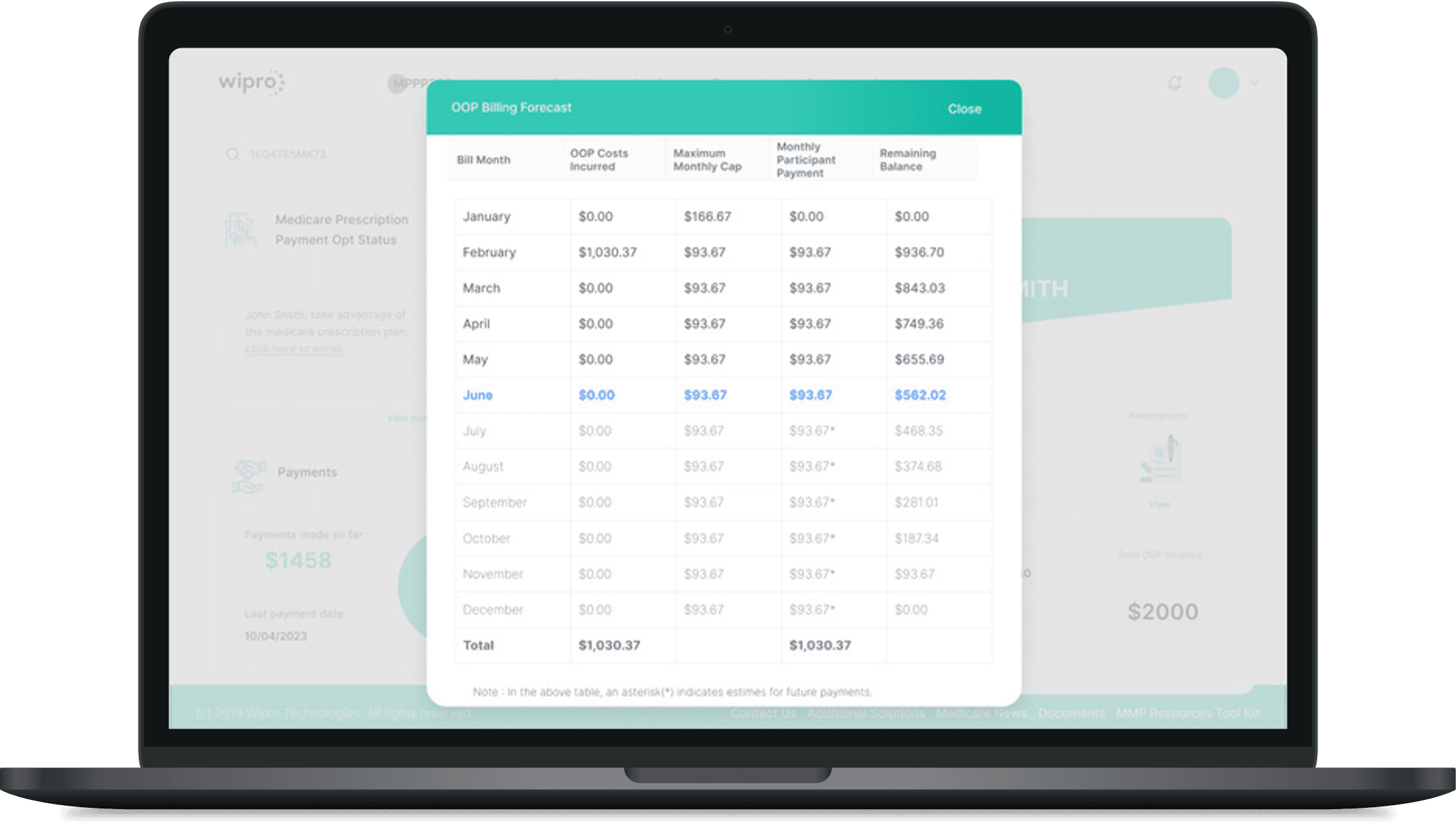
After
02 · Optimizing UI for Assistive Tech
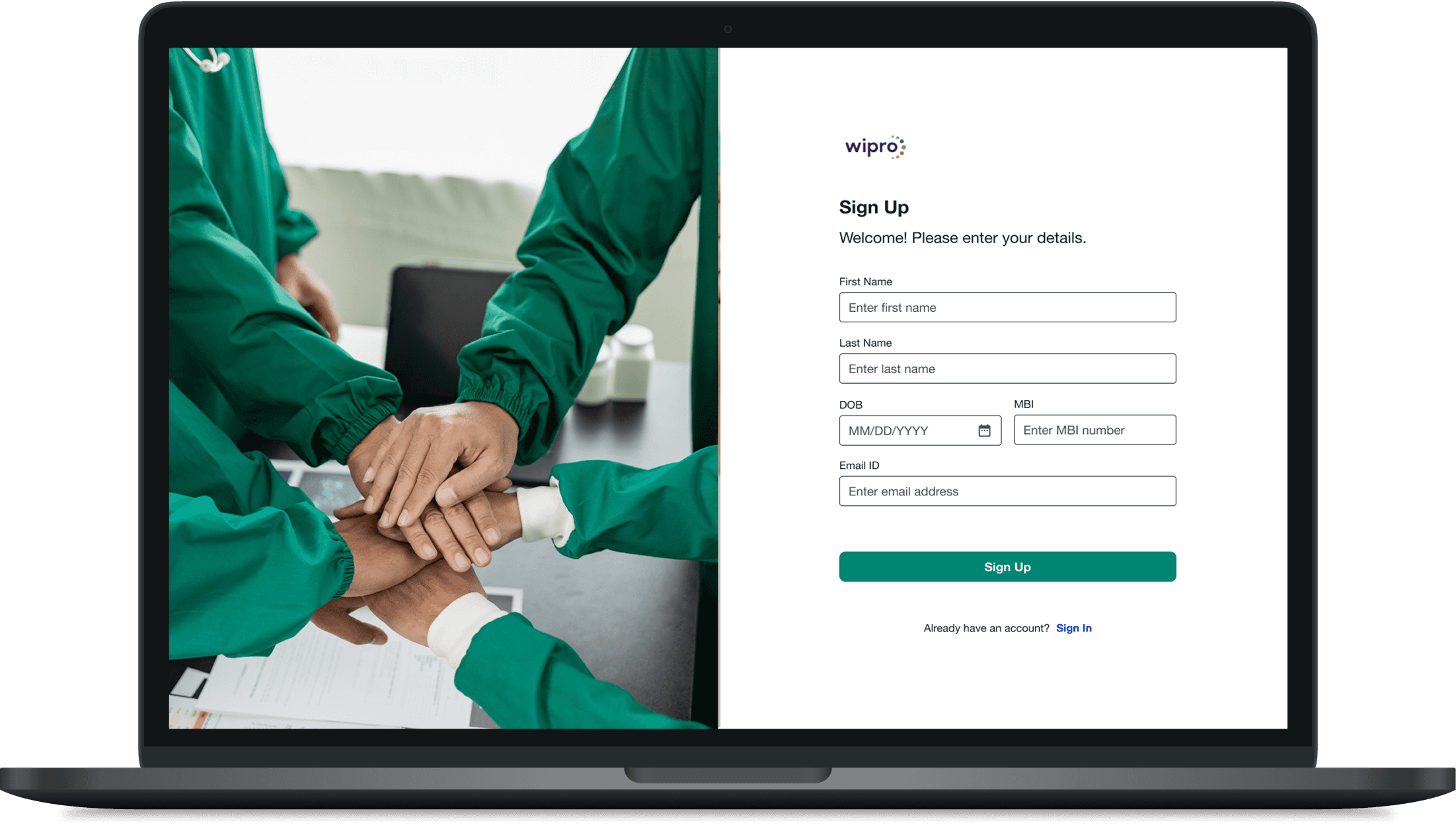
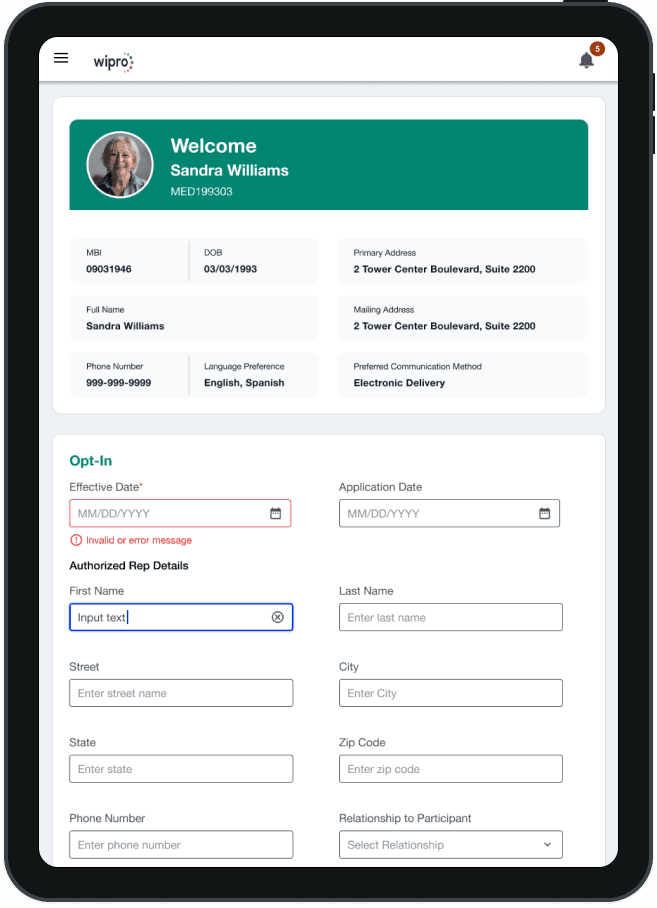
We established descriptive placeholders, persistent labels, and clear error/success indicators. ARIA labels were defined for all interactive elements, ensuring screen reader clarity. These enhancements were embedded into the design system, making accessibility the default standard.
03 · STRUCTURING VISUAL HIERARCHY USING GUTENBERG PRINCIPLES
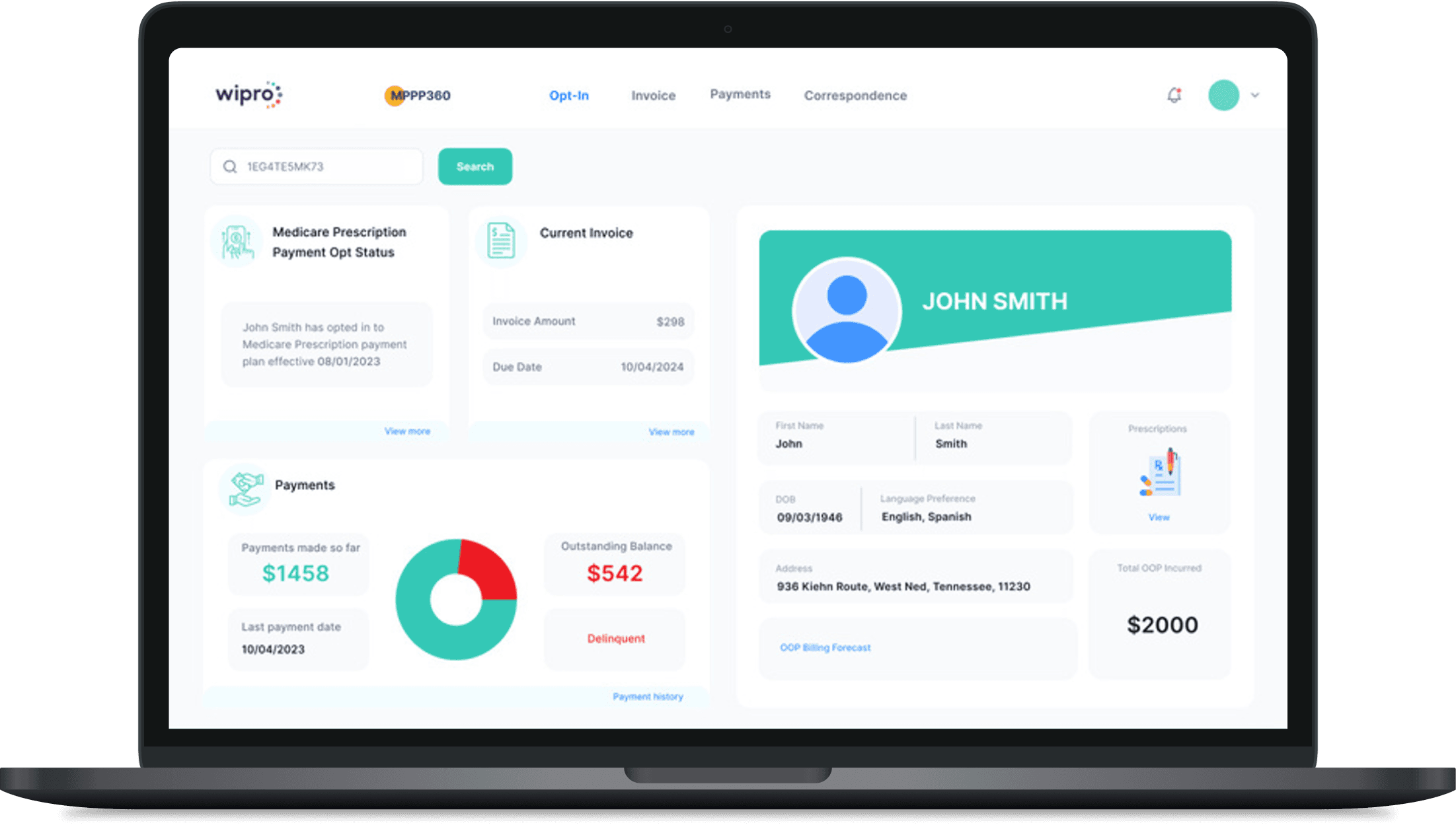
Applied Gutenberg’s diagram to establish a clear visual flow and guide user attention toward key actions. By strategically repositioning content and CTAs along natural reading paths, the interface became more intuitive, improving scanability and engagement.
04 · DESIGNING RESPONSIVE EXPERIENCES ACROSS BREAKPOINTS
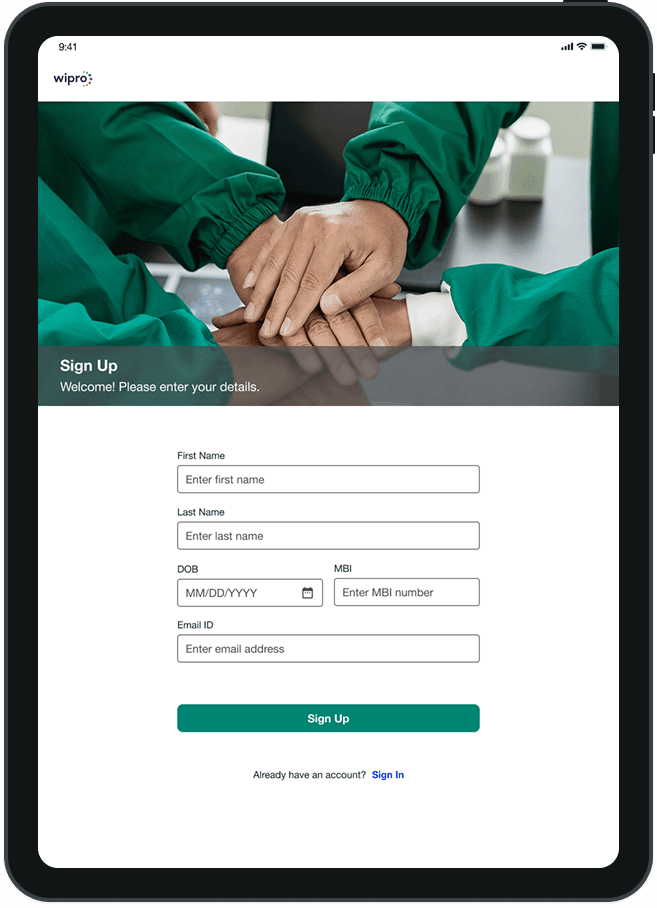
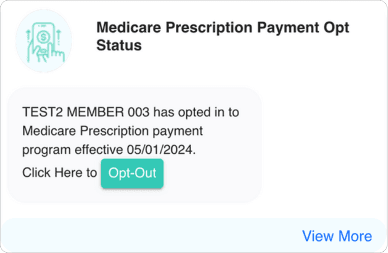
Developed responsive prototypes using defined breakpoints for mobile, tablet, and desktop. Leveraged auto layout and constraints to ensure consistent scaling of layouts, touch targets, and typography, delivering a seamless experience across devices.
What I Learned from Designing with Users with Visual Disabilities.
At each stage, the product was tested with a dedicated group of testers with visual impairments. I learned a great deal from them, and their feedback played a crucial role in addressing real-world accessibility challenges and shaping the final design.